0
Skip to Content
Grand Growers
About
Purpose
Upcoming Events
Autumn
Garden Walk
Gallery
Blogs
Contact
Grand Growers
About
Purpose
Upcoming Events
Autumn
Garden Walk
Gallery
Blogs
Contact
About
Purpose
Upcoming Events
Autumn
Garden Walk
Gallery
Blogs
Contact
Container Gardening
Catherine Trame 3/22/26 Catherine Trame 3/22/26

Container Gardening

Read More
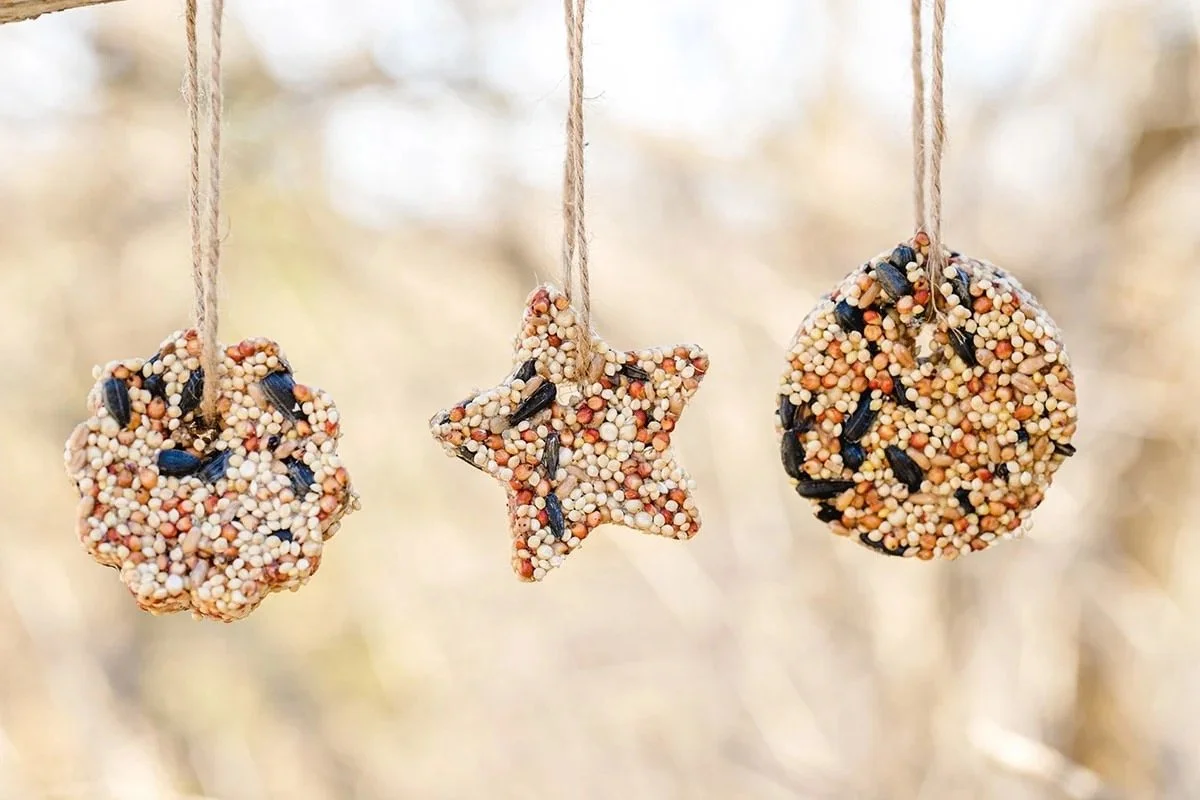
Outdoor Tree Ornaments
Catherine Trame 11/19/25 Catherine Trame 11/19/25

Outdoor Tree Ornaments

Grand Growers Meeting 11-15-25

Read More
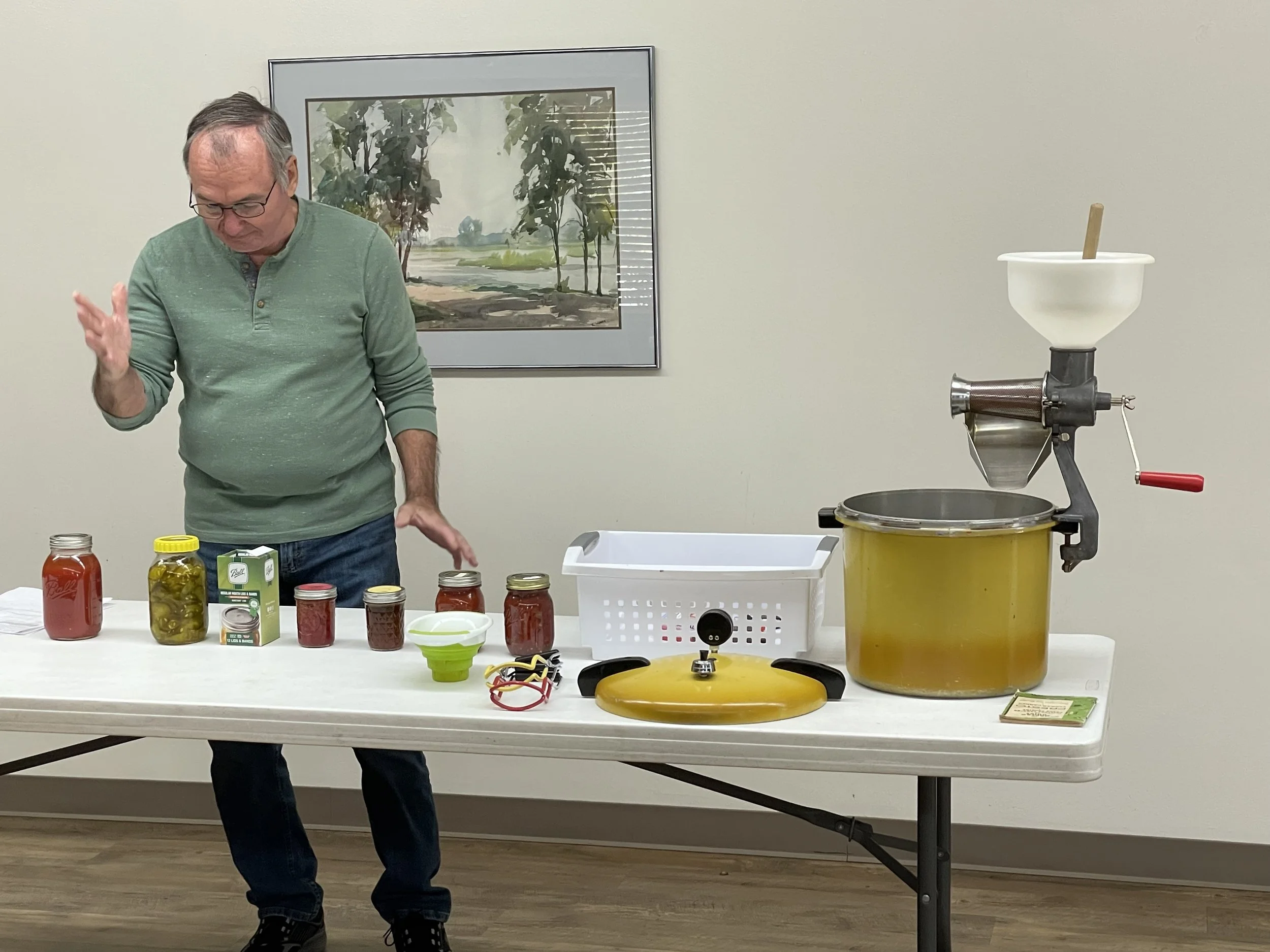
COLD CANNING/PRESERVING
Catherine Trame 9/23/25 Catherine Trame 9/23/25

COLD CANNING/PRESERVING

Grand Growers Meeting 9-20-25

Read More
Home Preserving
Catherine Trame 10/6/24 Catherine Trame 10/6/24

Home Preserving

Grand Growers Meeting 10-5-24

Read More
The Monarch Butterfly
Catherine Trame 5/19/24 Catherine Trame 5/19/24

The Monarch Butterfly

Grand Growers Meeting 5-18-24

Read More
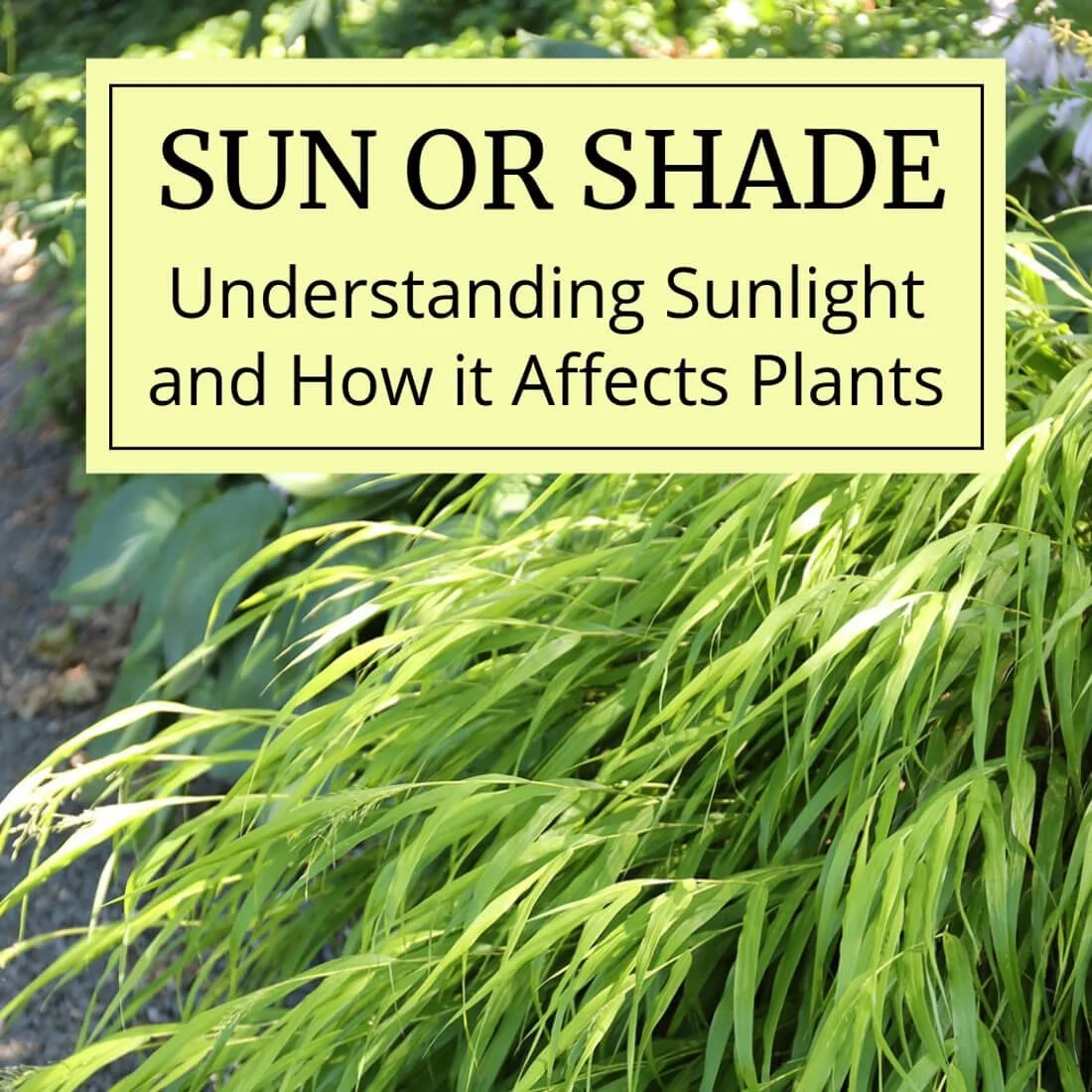
Sun and Shade Gardening
Catherine Trame 3/16/24 Catherine Trame 3/16/24

Sun and Shade Gardening

Read More
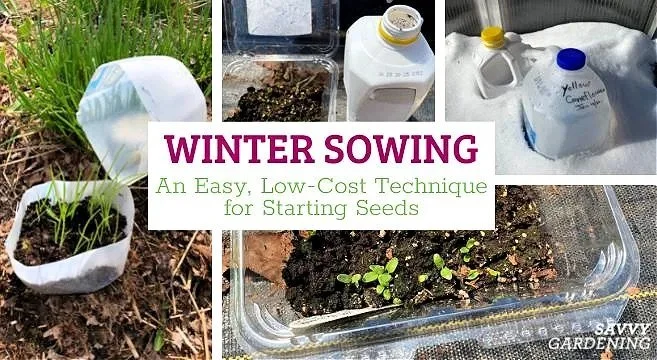
Winter Seed Sowing
Catherine Trame 2/17/24 Catherine Trame 2/17/24

Winter Seed Sowing

Read More

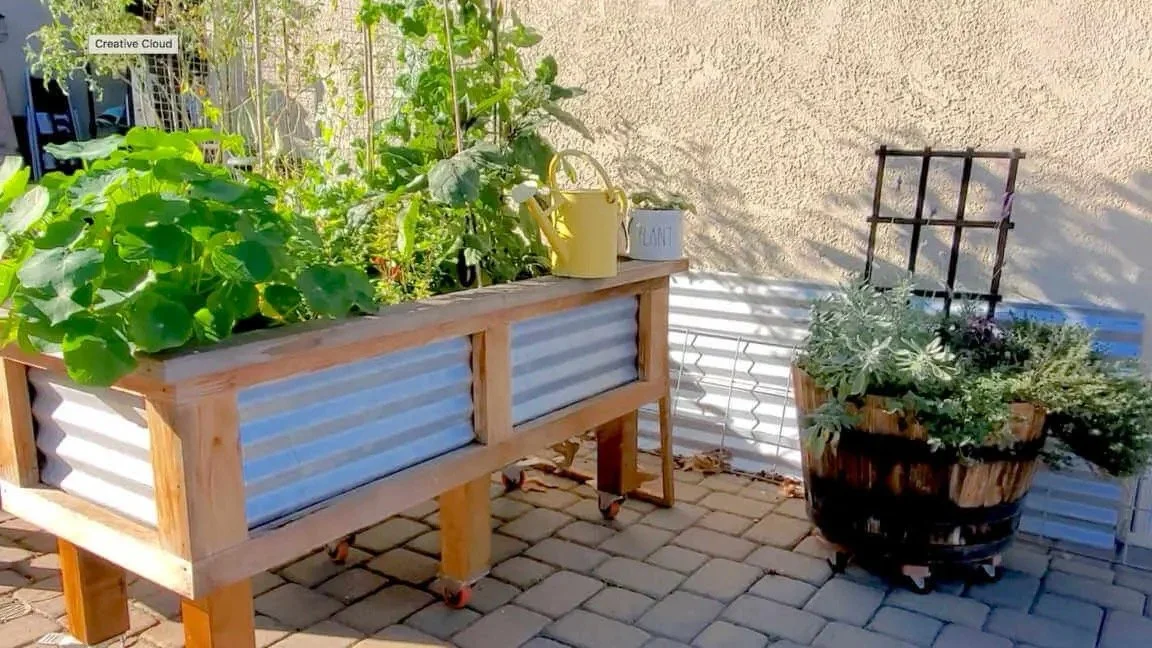
CONTAINER GARDENS offer exceptional flexibility, allowing gardening in small spaces like balconies, patios, and indoors. You don't need a large yard or dedicated garden space. They provide greater control over soil quality and drainage, reduce weeding and pest issues, and offer portability to optimize sunlight or protect plants from harsh weather. They are also highly accessible, reducing physical strain.

ADVANTAGES OF CONTAINER GARDENING

  1. Key Advantages of Container Gardening: 

    1. Space Optimization: Ideal for urban environments, renters, or small areas like windowsills and rooftops.

    2. Mobility & Flexibility: Containers can be moved to follow the sun, escape cold, or change the aesthetic layout.

    3. Soil & Pest Control: Gardeners can use high-quality, tailored potting mixes (free from soil-borne diseases) and avoid the pests common in ground soil.

    4. Improved Accessibility: Potted plants can be placed on tables or stands, reducing the need for kneeling or bending, making it ideal for those with limited mobility.

    5. Reduced Maintenance: Container gardening generally requires far less weeding and tilling compared to traditional gardening.

    6. Extended Season: Soil in pots warms up faster in spring and can be moved indoors, allowing for earlier planting and longer harvests.

    7. Versatility in Planting: Almost any plant—including vegetables, herbs, and shrubs—can thrive in the right-sized container.

  2. Key Considerations: 

    1. Watering: Containers require more frequent and consistent watering because they dry out faster than the ground.

    2. Nutrients: Plants in containers require more regular feeding (fertilizing) to ensure they have enough nutrients, as they can leach out during watering.

    3. Container Choice: Proper drainage holes are crucial to prevent root

CONTAINER DRAINAGE MISTAKES TO AVOID

  1. Using pots without drainage holes

  2. Blocking drainage holes with large rocks

  3. Placing saucers directly under outdoor containers

  4. Using garden soil instead of potting mix

  5. Skipping the drainage layer for water-sensitive plants

  6. Over-mulching container plants

  7. Ignoring seasonal drainage changes

  8. Placing containers on flat surfaces without elevation

  9. Using fine mesh screens that clog easily

  10. Planting too deeply in containers

  11. Allowing roots to grow through drainage holes

  12. Using decorative outer pots incorrectly

Source: https://gardentabs.com/container-drainage-mistakes-killing-plants

    1. What to Plant

      1. Almost any plant that can be grown in the ground can be grown in a container

        1. Vegetables, Flowers, Dwarf varieties of citrus and other fruit trees

        2. Plants with similar light, moisture and temperature needs can be planted in the same container

        3. Plants that spread aggressively from roots (mint, bamboo, berries, etc.)may be better planted in containers

    2. Container types

      1. Containers can be of many different materials and various sizes. Apart from aesthetics, the different materials have their own advantages and disadvantages.

      2. All containers should have drainage holes. If a drainage hole is not there it can usually be added using a household drill. Use a concrete or masonry bit for glazed or unglazed pots.

      3. Self-watering containers exist, but are more complicated than a plain pot. They need to be used with care, to avoid problems with either under watering, overwatering, or inconsistent watering.

      4. Any recycled container should be disinfected with a bleach solution of 9 parts water to 1 part bleach

    3. Material used for containers

      1. Clay or terra cotta pots are porous. They allow for aeration but also require more frequent watering.

      2. Plastic, glazed and cement pots are non-porous and maintain temperature and water at a more constant level.

      3. Wood planters made of cedar or redwood are naturally resistant to decay. Repurposed wood can be used for gardens, but it is advisable to avoid using wood previously treated with arsenic-based preservatives for vegetables and other edibles. 

      4. Metal planters can get hot and need more watering. 

    4. Size of containers

      1. Consider mature root depth (vertical) and spread (horizontal) when sizing a container for a particular plant.

      2. A deeper container is generally better than a wider container because it provides more space for roots to grow down, in search of water and cooler temperatures. This will benefit plants in hot weather.

      3. Shallow-rooted plants such as succulents and lettuce do well in lower-depth containers.

      4. In general, perennials develop a larger root system and require a larger/deeper container.

      5. Taller plants generally have larger root systems and therefore require larger containers.

      6. Most vegetables are annuals, which makes them ideally suited for containers. Vegetable root systems are varied, and matching container size to the root depth is important to maximize productivity. Following are container soil depth recommendations for popular vegetables:

        1. 6" to 9" for shallow rooted vegetables: chives, lettuces, green onions, radishes, spinach

        2. 12" to 18" for moderate depth vegetables: eggplant, peppers, beets, broccoli, carrots (short varieties), cauliflower, celery, chard, kale, peas

        3. 18" to 24" for deep rooted vegetables: tomatoes, potatoes, zucchini, winter squashes, beans, corn, cucumbers

    5. Location of containers

      1. Place containers where they will receive the amount of sun or shade the plants need. Most vegetables need at least 6-8 hours of direct sun daily. Other plants may want full or partial shade.

      2. Heavy containers may be placed on a furniture or plant dolly if the plants need to move with the seasons.

      3. A south-facing wall may be too warm for some plants, particularly cool weather plants, but may be perfect for heat-loving plants.

      4. Raise containers off of hot cement with plant trivets, wood, or bricks.

    6. Soil for containers

      1. Choose a good quality “potting mix” or “potting soil”. Potting soils are formulated specifically for containers. They hold moisture and provide good drainage which is necessary for healthy root growth. If purchasing potting soil in bags, be sure to keep the bags sealed to keep the unused soil from drying out

      2. Some potting soils contain fertilizer pre-mixed into the soil. Be sure to read the label and follow directions.

      3. Do not use “planting mix”, “garden soil”, or “top soil” as your primary soil component. These are too heavy or otherwise unsuited as a container medium.

      4. Some plants require soil with a specific composition or drainage ability. It is best to cater to the plants' needs. Succulents are one example. A high quality potting soil mixed with expanded lava (pumice) is ideal for succulents and cacti.

      5. Do not put a layer of gravel or other material in the bottom of a pot 'to improve drainage'. It actually makes drainage worse

    7. Watering

      1. Consistent, sufficient watering is important for containers because they can dry out quickly. Drip irrigation on a timer can be a good solution for containers.

      2. Watering requirements will vary according to the season, type of container, and sun exposure.

      3. Check containers daily. Stick your finger into the top inch of soil. If it feels damp there is no immediate need for water. If it feels dry, water until some runs out the bottom of the container.

      4. Note: If a container dries out completely, the water may run through the container without actually moistening the soil. You may need to soak the entire pot or leave a slow drip on it to rewet the soil.

      5. In mid-summer and on windy days watering may be needed daily. In the heat of summer, it may be helpful to place a saucer under the pot that can fill with excess water and then be reabsorbed as needed. In winter, remove the saucer so the plants don’t sit in waterlogged soil.

    8. Fertilization

      1. Many plants in containers need frequent, light fertilizing to grow well. Nutrients are leached out of the soil with every watering, so need to be replaced.

      2. Two ways to keep container plants well-fertilized are

        1. applying a light dose of a water soluble fertilizer with every watering, or

        2. including a slow release dry fertilizer in the soil.

      3. Many potting mixes contain fertilizers already, so be careful not to over-fertilize your plants.

    9. Soil Maintenance: When growing annuals such as vegetables, container soil can be re-used as long as the plants were healthy during the growing season with no major disease issues. However, it is always good practice to refresh the containers for the new growing season with additional new potting soil and fertilizer.

Source:  https://ucanr.edu/site/uc-master-gardeners-santa-clara-county/container-gardening-basics